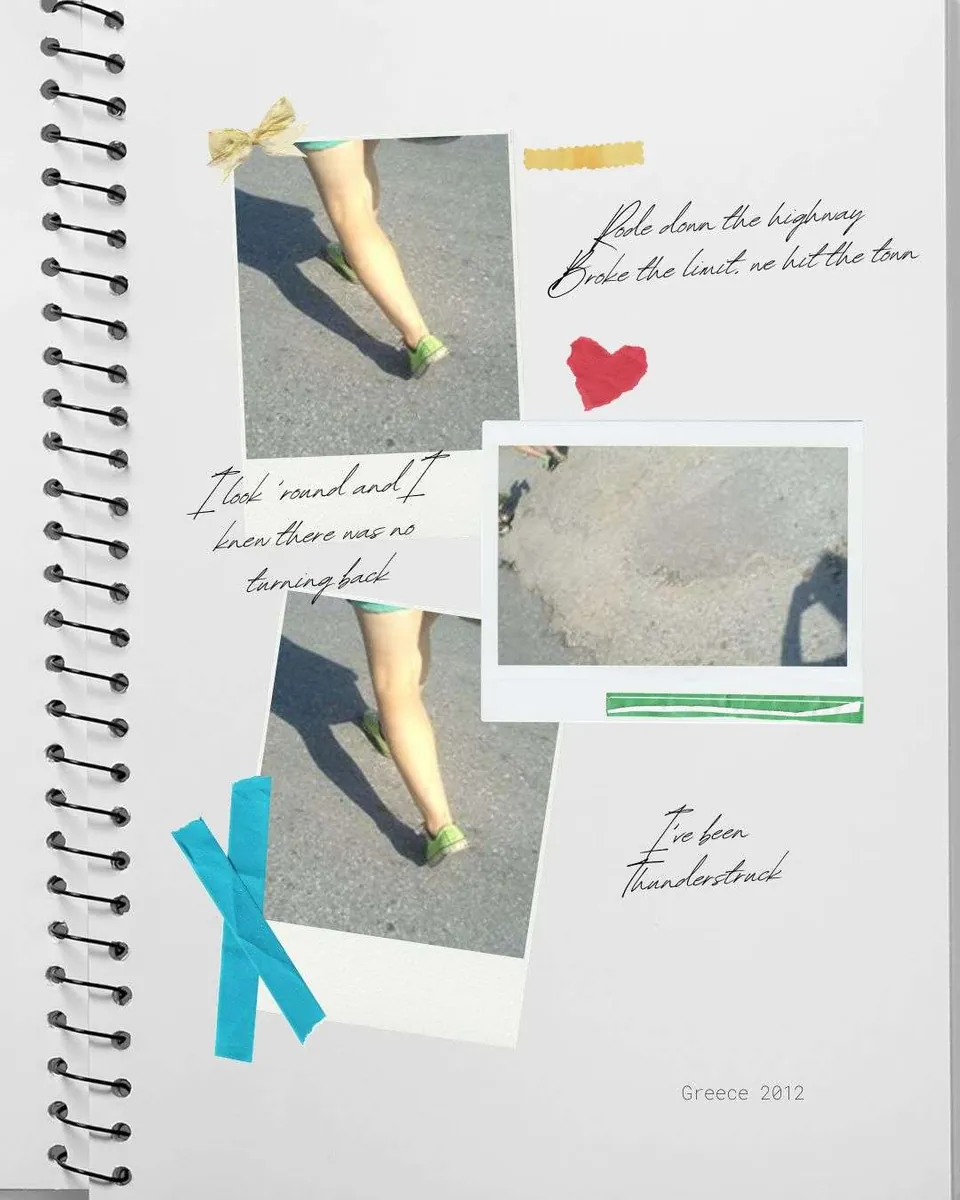
I have a friend from primary school we were close until I was about 21 years old, I think. We never fought, but one summer we grew apart and stopped talking and hanging out. Of course, there's a chance I remember some of it wrong.
I grieved that friendship for three years. And then that missing part never really left.
I still miss my best friend. I never stopped although I don't know her now, and I have no idea if we would even be good company for each other anymore. I still miss her, and I still remember her.
Why do I feel that? Why does that person still hold that place in my heart? Should I fight it? Should I try to remove it? Or will I always carry these feelings for that person? Is it healthy to live with that but never talk to that person again? I'm confused by all these emotions and thoughts.
Why Does This Person Still Hold That Place in Your Heart?
1. The neuroscience of early bonding is literally written into your brain
Human attachment bonds are defined by two key features: they are selective specific to that person and enduring long-lasting, often for a lifetime. When you spend years with someone from primary school through your early twenties, you don't just make memories. Your brain builds neural architecture around that relationship. Neurons that repeatedly fire together grow more branches and synapses, meaning that specific people become embedded in how you process the world.
She was wired into you, neurologically speaking.
2. She is tied to your identity, not just your past
Old friends are linked to earlier life chapters school, hometown, formative experiences. Missing them can be a way your mind signals a desire to reconnect with the version of yourself that existed then. Intimacy is cumulative: trust, vulnerability, and the ability to truly understand each other all grow over time, which is why new friendships can feel shallower at first, even when they are meaningful and promising.
She didn't just know you she knew the you that was still forming. That is irreplaceable.
3. Nostalgia is doing its job and it's healthy
Research suggests that nostalgia acts as a psychological resource, helping people counteract loneliness and the loss of meaningful relationships over time. The sense of longing that nostalgia brings may also serve as a quiet reminder to invest more fully in the present. The ache you feel is not a malfunction. It is your emotional system telling you that this relationship mattered.
Why Did You Grieve for Three Years and Why Does the Ache Never Fully Leave?
The grief of a lost friendship is one of the most painful and underacknowledged experiences a person can go through. Many people mistakenly believe that grief only belongs to death but it is a perfectly normal human response to any kind of loss, including the quiet fading of a friendship. The shock, the sadness, the bargaining they are all still present.
What makes this kind of loss particularly difficult is that there is no ceremony for it, no publicly acknowledged mourning. The person is still alive and so is the hope of a reconciliation that may never come. That unresolved possibility makes it harder to reach acceptance. Unlike the finality of death, friendship loss leaves a door slightly open that may never close.
Should You Fight This Feeling? Try to Remove It?
No. And here is why that approach tends to backfire.
Nostalgia can counteract loneliness, boredom, and anxiety. People who allow themselves to feel it rather than suppress it tend to handle transitions and loss more readily over time. The memories remain, and so does the love. That is not pathology. That is humanity.
The feeling is not the problem. It is a testament to what was real. A friendship lost is something we often minimise, treating it as just a memory, a distance, a chapter that closed but that is not all it is.
Is It Healthy to Carry This Feeling Without Contact?
Yes with one important condition: it should sit alongside your present life, not replace it.
Carrying warmth for someone you no longer speak to is not unhealthy. It becomes problematic only if the longing actively prevents you from investing in present relationships, or tips into persistent sadness that interferes with daily life. When nostalgia leads to yearning, it can help to turn gently toward the important people around you now. New relationships may not replace the bonds that mattered most but they can remind you that you are loved in the present too.
I will not contact that person maybe in the future, or maybe I'm waiting for her to contact me. Either out of ego, or because I'm not that brave I don't know. And maybe I will find out. Maybe not.
But I will keep and cherish that part of my life. I will keep the memories and be happy with everything I shared with that person, and I wish them happiness and health and everything they want. They made me a better person and gave me incredible moments that I will always carry.
Sometimes love doesn't need a reunion to stay real.
With love, Elli