A reflection on boundaries, triggers, and learning to pause
Sometimes I feel broken.
It feels as if the world will attack me again and again, and I must always stay alert.
One of my biggest struggles is boundaries especially at work. I find it hard to separate professional roles from family roles, especially when those roles were never clearly separated in the first place. I try. I really do. And I succeed. But it's a constant practice, not a destination.
What I'm learning is this:
I can take time.
Time to pause.
Time to reflect.
Time to understand what I'm actually feeling before reacting.
Triggers still come. They probably always will. But the difference now is awareness. When something triggers me, I try not to immediately believe the story my emotions create. Because emotions are powerful but they don't always describe reality accurately.
There is the emotion.
And there is the picture the emotion creates in my mind.
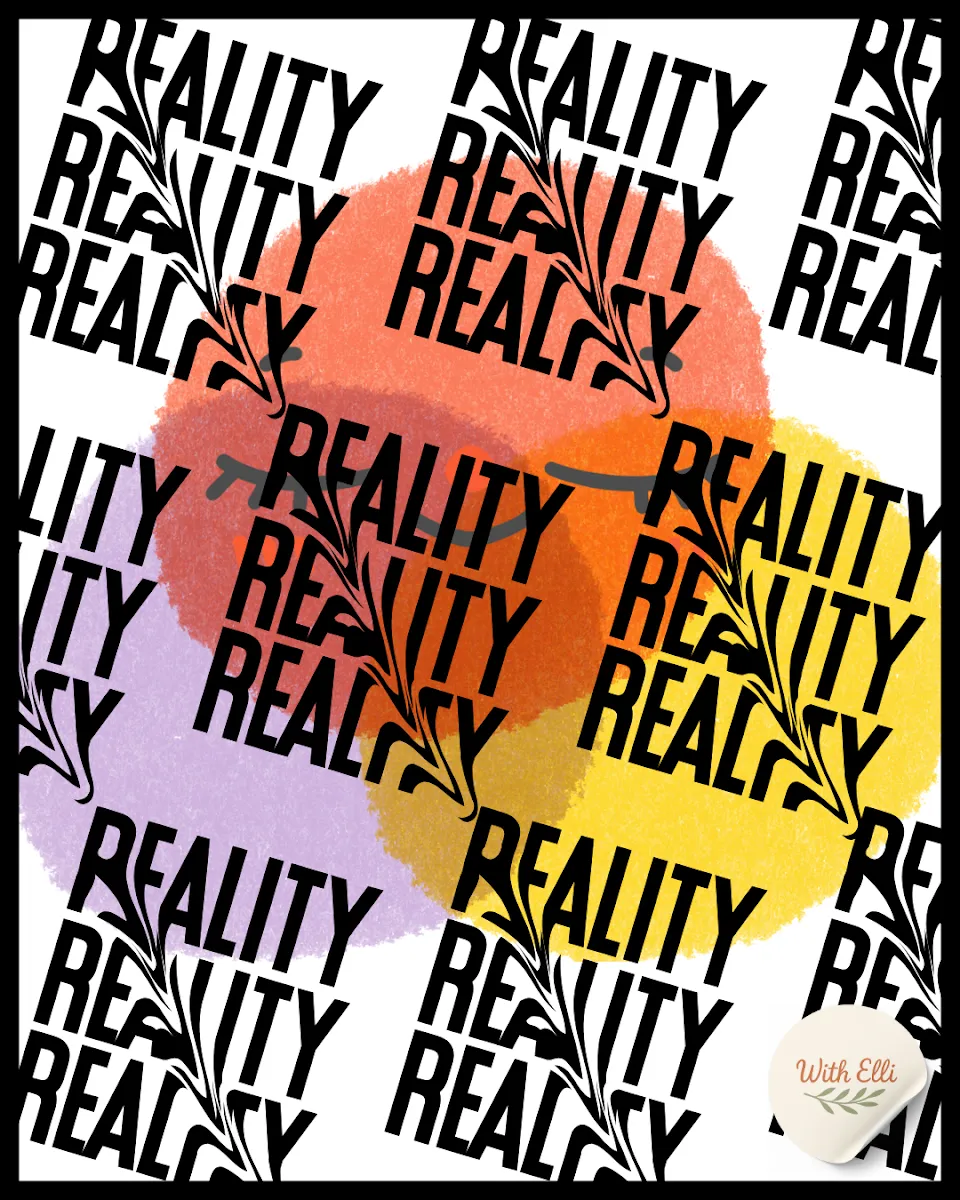
And then there is reality.
These are not always the same thing.
When someone says something that activates an old wound, my nervous system reacts as if I'm back in a past situation one where I had no choice, no voice, no boundaries. But today, I do have choices. Even if my body hasn't fully learned that yet.
So instead of reacting instantly, I practice saying (sometimes only to myself at first):
"This is not the same situation.
This is not the same threat.
This feeling makes sense but it is not the full truth."
From there, I try to get curious:
What exactly triggered me?
What old pattern was activated?
What did I need in that moment?
And most importantly how do I want to respond now, not then?
This is where balance begins. Not by suppressing emotions, but by listening to them without letting them take over reality.
A psychological note (gentle, not clinical)
Research in trauma psychology and neuroscience shows that when we grow up in environments where love, safety, or belonging were conditional, our brains learn to associate requests, expectations, or authority with threat. The amygdala (our alarm system) reacts faster than logic, while the prefrontal cortex the part that helps us pause and choose needs time and safety to come online.
That's why "just say no" is not simple.
And that's why pausing is already a powerful act of healing.
What we can explore further
This is an ongoing journey, and there are beautiful areas worth researching and gently unpacking:
How the nervous system confuses past and present
The difference between guilt and responsibility
Why boundary-setting feels physically painful for some people
How to retrain the brain through repetition, not force
How compassion not discipline creates lasting change
I'm learning that healing doesn't mean never being triggered.
It means knowing what to do when I am.
And slowly very slowly teaching my body that peace is allowed.