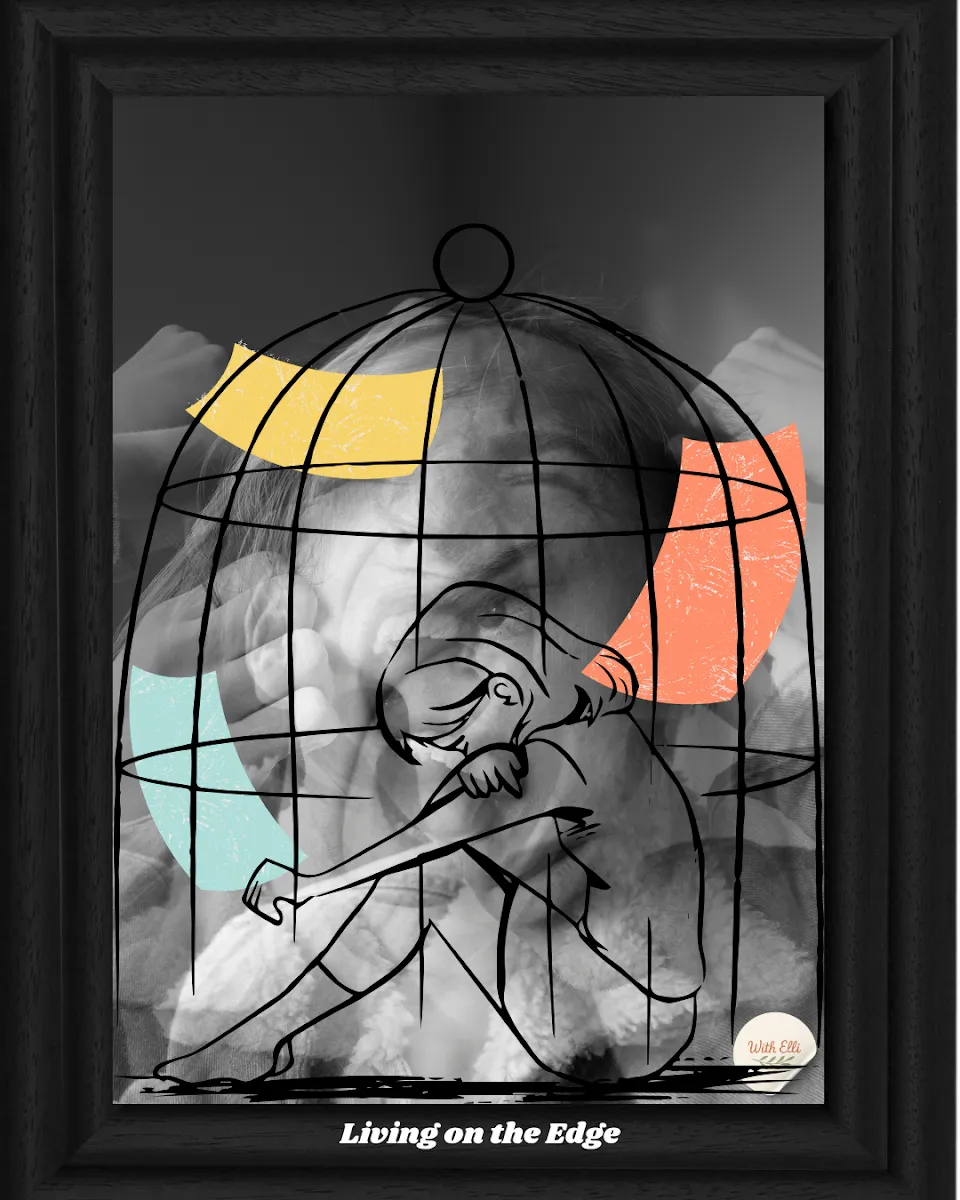
 |
| Photo By With Elli |
My Reflections on BPD Traits and Emotional Survival
I want to start with something important:
I haven't been diagnosed with Borderline Personality Disorder (BPD).
But I have been diagnosed with Borderline traits patterns that reflect some of the emotional intensity, relational sensitivity, and inner instability that people with BPD often experience.
I'm sharing this not to label myself or promote self-diagnosis, but to offer a window into how these traits show up in my life and how I'm learning to live with them more gently.
Because when I first started learning about BPD, something inside me exhaled.
I felt seen in a way I hadn't before.
Something whispered,
"This explains the part of you no one ever understood."
What This Has Looked Like for Me
Fearing abandonment, even when people haven't left
Overgiving until I'm emotionally depleted then disappearing out of shame
Feeling like a burden, while craving closeness with every fiber of my being
Getting attached quickly and then panicking that I'll mess it up
Emotions that crash in like waves, sometimes without warning
Moments where I question who I really am, or what others see in me
A lingering sense of emptiness, like something's always missing
These aren't moods or personality quirks. They're adaptive responses born in a childhood where emotional safety wasn't a given, and love sometimes felt like it could vanish at any moment.
What I Know Now
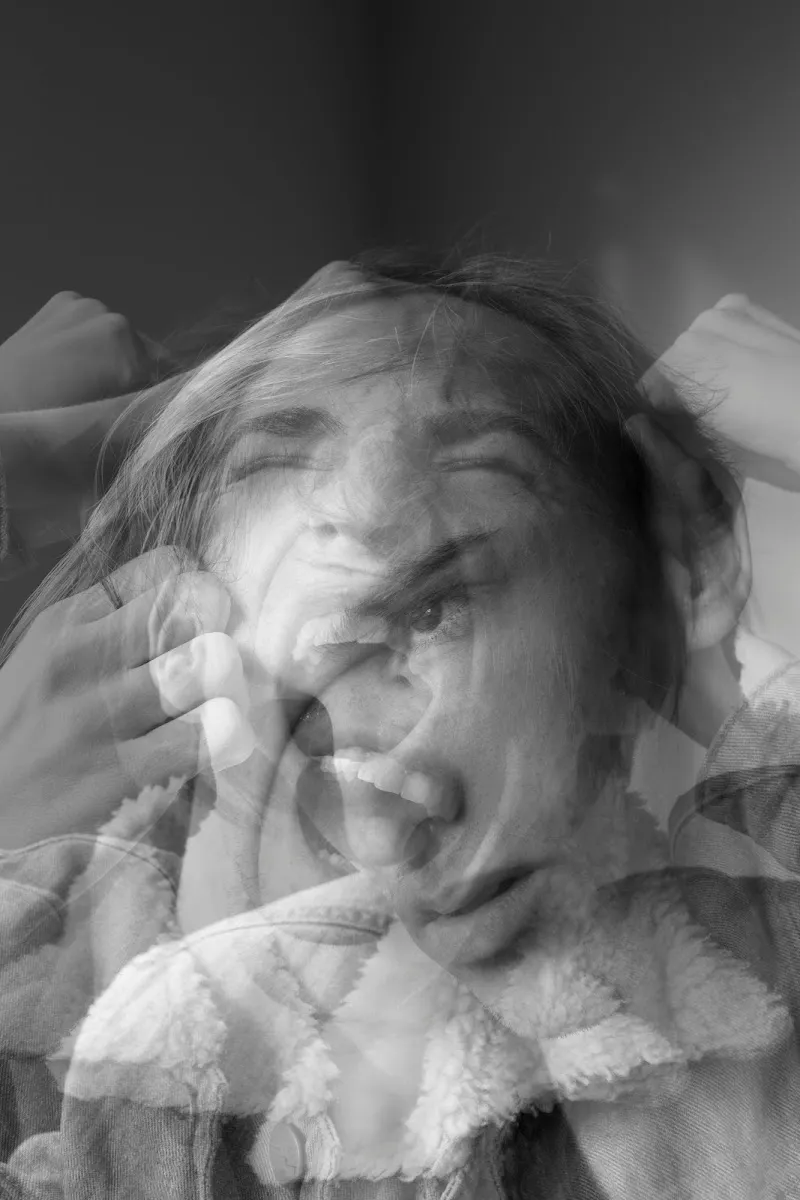 |
| Photo by Callum Skelton on Unsplash |
They mean I adapted to survive.
They speak of:
A child who learned to be hyperaware of people's moods to stay safe
A nervous system shaped by emotional inconsistency
A deep longing for presence, reflection, and tenderness
And I'm slowly learning to give myself what I once went without.
My Healing Path Looks Like…
Creating grounding routines that help me feel held and contained
Practicing inner child work and nervous system regulation
Letting go of the pressure to be "easy to love"
Welcoming people into my life who are safe, consistent, and kind
Being patient with myself in moments of emotional intensity
I'm learning to trust that love doesn't have to hurt.
That boundaries aren't rejection.
And that my emotions are not too much they're just unprocessed truths asking for care.
Why I'm Sharing This
Because maybe you feel like:
You're always "too much" for others
You ruin connections even when you want them the most
You carry a kind of emotional fire no one ever taught you to hold
If that's you I see you.
You're not dramatic. You're not broken.
You're responding to a world that didn't always know how to meet your depth.
But now, you can start meeting yourself with softness, slowness, and safety.
Just like I'm learning to do.